
Procurement Management

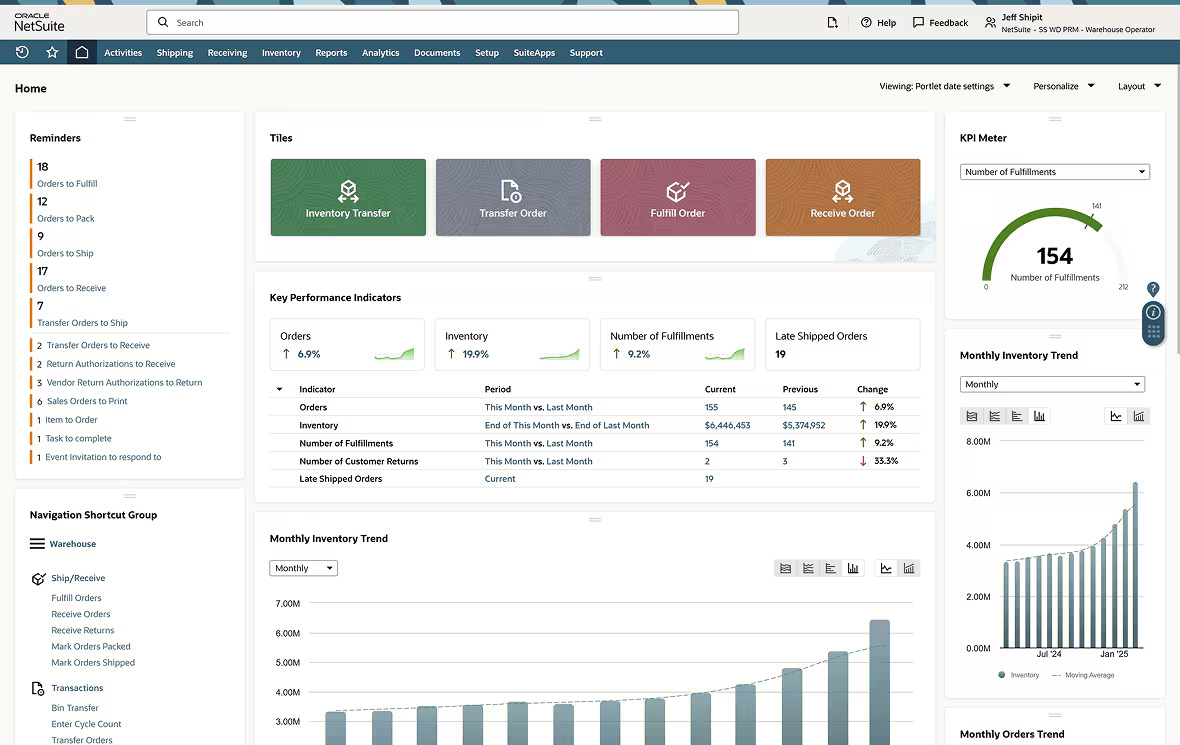
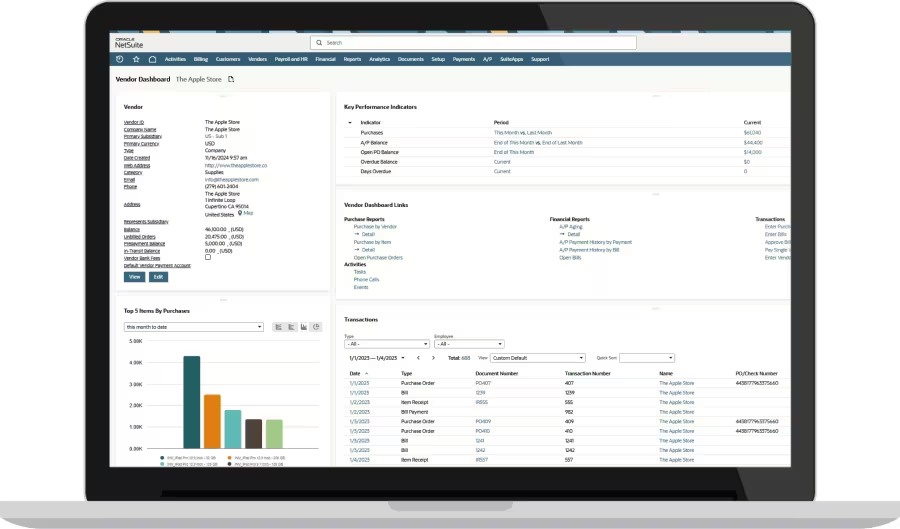
Procurement Management Systems is a cloud-based purchasing solution that streamlines how organizations buy goods and services by routing purchase orders through preferred suppliers and agreed pricing, ensuring timely fulfillment and cost control. It centralizes vendor and procurement activities, gives real-time visibility into spending and supplier performance, and consolidates all related data—transactions, records, KPIs and departmental spend—into a single procurement dashboard for easier oversight.
Core Purpose
Oracle NetSuite Procurement is designed to help businesses control spend and improve purchasing efficiency by standardizing and automating the procure-to-pay cycle. It supports better decision-making with live insights into orders, vendor performance and budget impact, while promoting clear communication among purchasing, finance and operations teams.
Process Automation
The solution links procurement transactions directly with vendor records, item receipts and vendor bills so teams can reduce manual entry and minimize errors. Organizations use it to support sales with tailored quotes, drive materials planning, coordinate with suppliers, and manage production-related documents like work orders and delivery notes in a single, user-friendly system.
Benefits
Increased Profitability
Better Visibility
Improved Vendor Relationships
Cost Controls
Identification of Variances
Key Features
- Source Management Tools
- Purchase Management Capabilities
- Invoice Processing
- Vendor Management
- Indirect Procurement
Source Management Tools
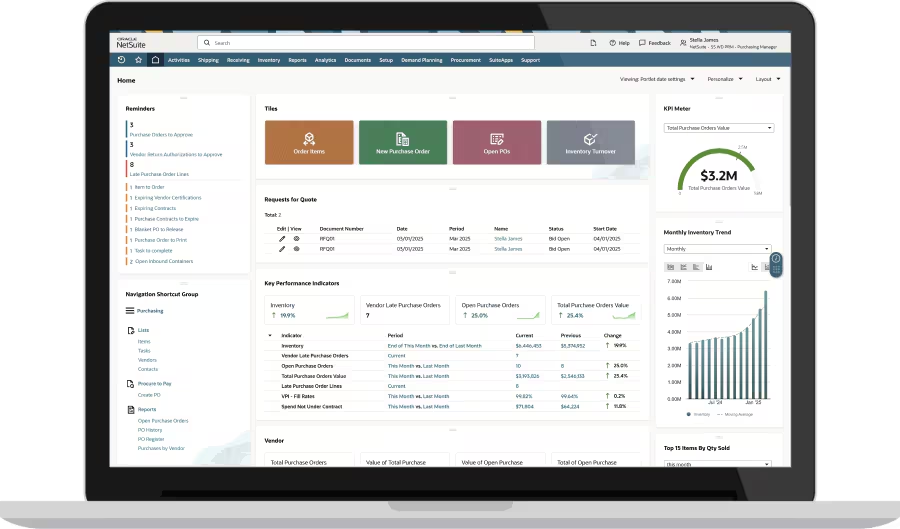
Source management tools that help teams evaluate and select suppliers that meet quality standards at target price points to protect margins.
Purchase Management Capabilities
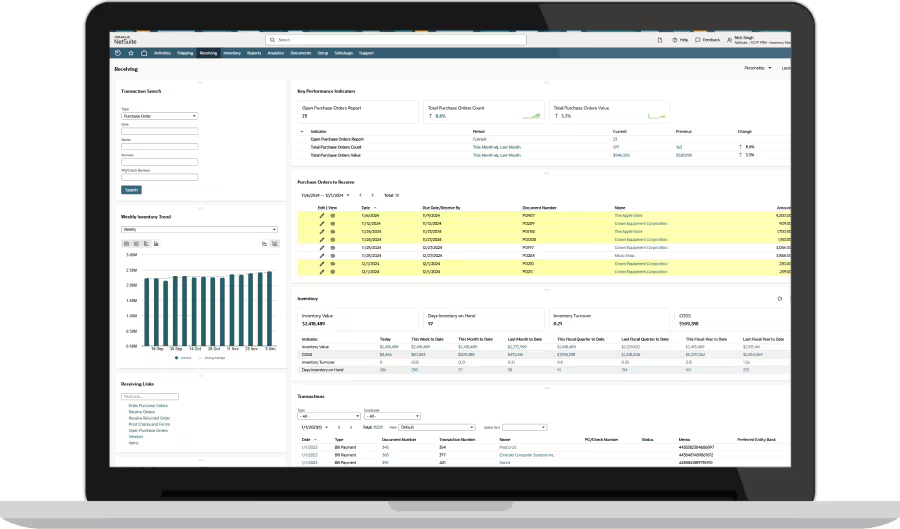
It shows what has been ordered, in what quantity and expected receipt dates, supporting better inventory planning.
Invoice Processing
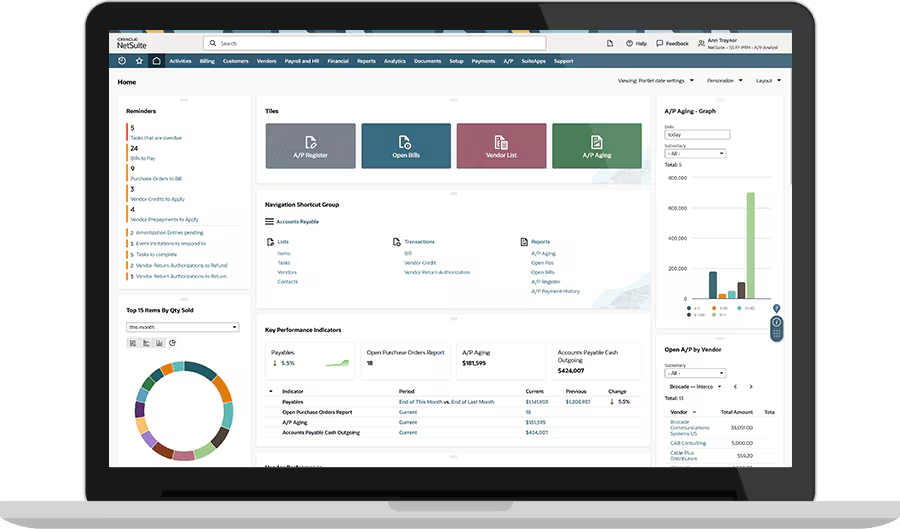
Invoice processing that automates matching receipts to bills and schedules vendor payments to maintain control over cash outflows.
Vendor Management
Vendor management features that consolidate supplier information and simplify both communication and performance tracking.
Indirect Procurement
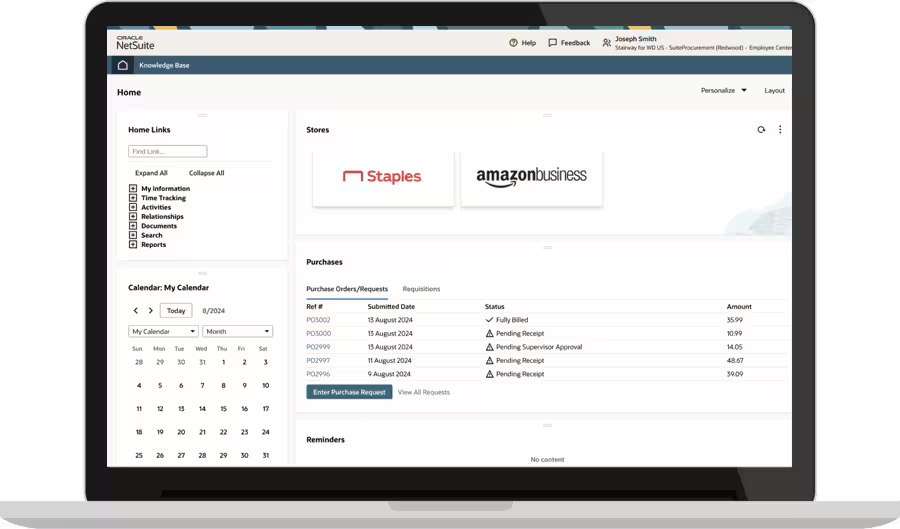
Indirect procurement via SuiteProcurement, which lets employees shop on supplier web stores, automatically generates purchase requests, runs approvals and sends purchase orders once authorized, while exposing the impact of those buys on budgets.
Let's turn your digital challenges into competitive advantages!
Contact Us
FAQs
- What is Oracle NetSuite Procurement and how does it help businesses?
Oracle NetSuite Procurement is a cloud-based solution that automates and standardizes the entire purchasing process, from creating purchase orders to managing supplier relationships. It helps businesses reduce manual tasks, control costs, and ensure that all purchases are made from approved vendors at negotiated prices.
- How does Oracle NetSuite Procurement improve cost control and visibility?
The solution provides a centralized dashboard that tracks company-wide spending, supplier performance, and budget impact in real time. By consolidating procurement data in one place, finance and operations teams can easily monitor spending patterns and make informed purchasing decisions.
- Can Oracle NetSuite Procurement integrate with other business functions?
Yes. It seamlessly connects procurement transactions with vendor records, item receipts, and vendor bills. This integration links purchasing with inventory, finance, and operations, ensuring data consistency across departments and reducing duplicate entry or human errors.
- What kind of procurement processes can be automated with Oracle NetSuite?
Oracle NetSuite automates key procure-to-pay tasks including supplier evaluation, purchase order approvals, invoice matching, and vendor payment scheduling. Employees can also use SuiteProcurement for self-service purchases that follow company policies and budget controls.
- How does Oracle NetSuite Procurement support better supplier management?
It provides tools to evaluate, select, and track supplier performance based on quality, pricing, and delivery metrics. All vendor records, communication logs, and performance data are stored in one system, helping teams build stronger supplier relationships and ensure consistent service levels.