
Inventory Management

Inventory Management is a cloud-based system that gives businesses a unified, real-time picture of stock across every location and sales channel, helping reduce excess inventory while preventing stockouts. It is designed to cut manual work, lower handling and carrying costs, and improve fulfillment speed and accuracy.
Overview
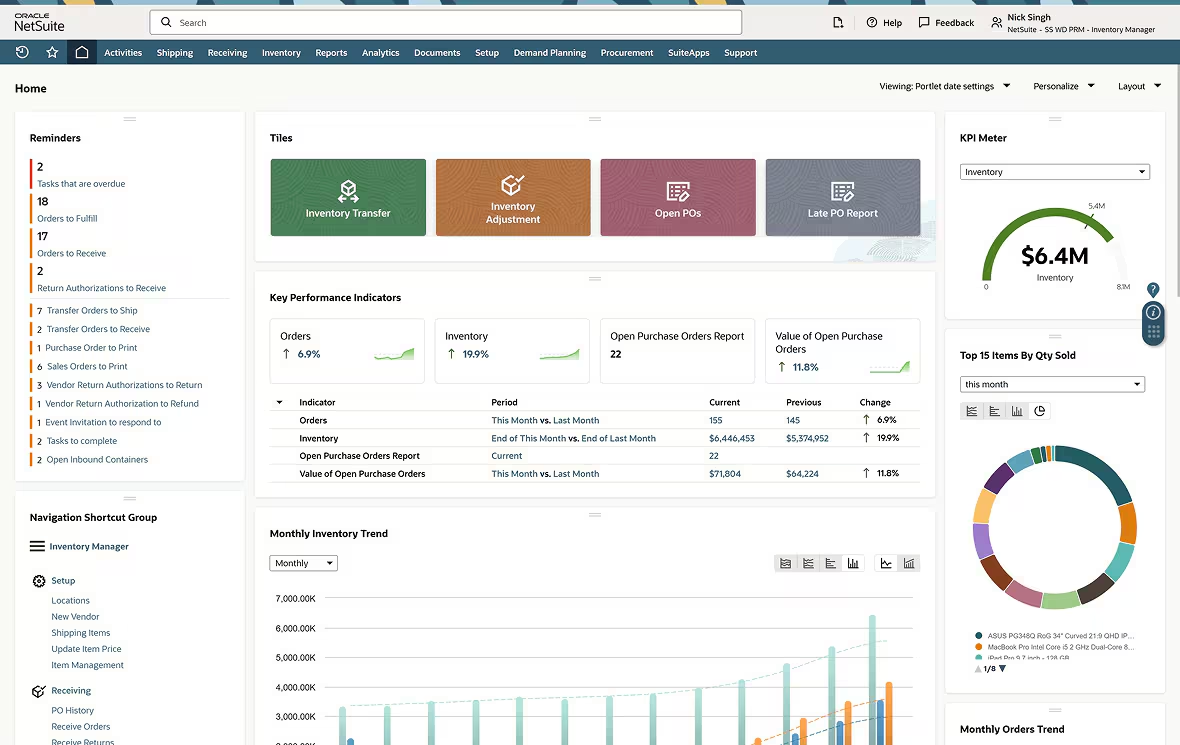
Oracle NetSuite Inventory Management centralizes inventory data for warehouses, retail outlets, pop‑up locations, drop shippers, 3PLs and any other stocking point, so teams can make faster, data-driven decisions about what to buy, move or sell. By aligning inventory levels with demand across channels, companies can free up working capital and still meet or exceed customer service expectations.
Benefits
Optimize inventory levels
Boost profitability
Decrease cost of goods sold
AI-powered reporting
Key Features
- Core capabilities
- Compliance and Reporting
- Multi-entity and Governance
Core capabilities
Automated Tracking
Replaces error-prone spreadsheets with a single system that monitors quantities, orders and sales throughout the item life cycle, across all sites. This supports detailed audit trails so users can review every transaction and related record for a given order when needed.
Multi-location Fulfillments Tools
Let businesses configure rules that reduce split shipments and unnecessary freight costs. Teams can see stock everywhere, shift items between locations, and rescue potential lost sales by transferring, reserving or shipping products directly to customers from alternative sites.
Demand-based Replenishment
Uses historical and seasonal sales patterns, lead times and target days of supply to calculate dynamic reorder points and preferred stock levels. The system then issues tasks and alerts to purchasing so reorders happen at the right time.
Compliance and Reporting
Revenue Recognition
Handles complex recognition needs in line with standards such as ASC 606 and IFRS 15, whether revenue relates to single obligations, time-based series, or bundled offerings
Financial Reporting
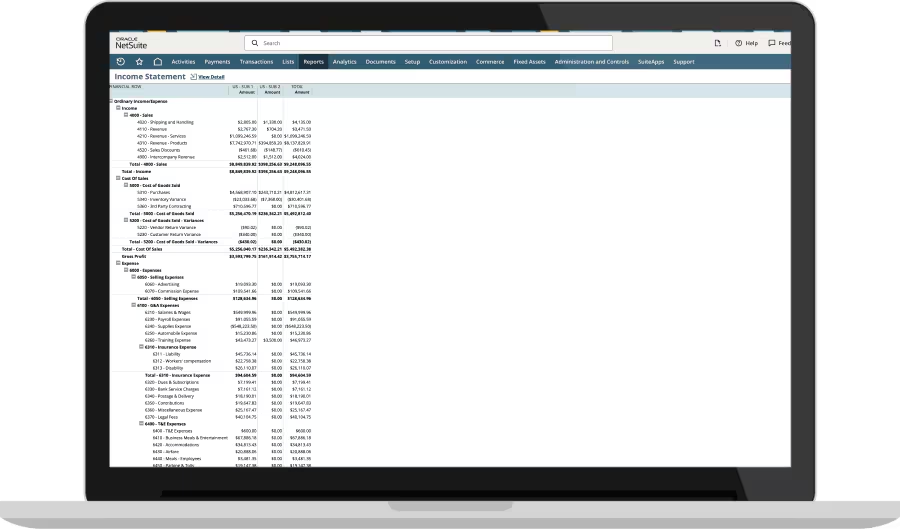
Provides role-based dashboards, KPIs and standardized reports that help produce compliant financial statements under US GAAP, IFRS and other frameworks
Multi-entity and Governance
Financial Consolidation
Supports oversight and automated consolidation across subsidiaries, business units and regions while respecting local accounting rules and tax requirements
Governance, Risk and Compliance
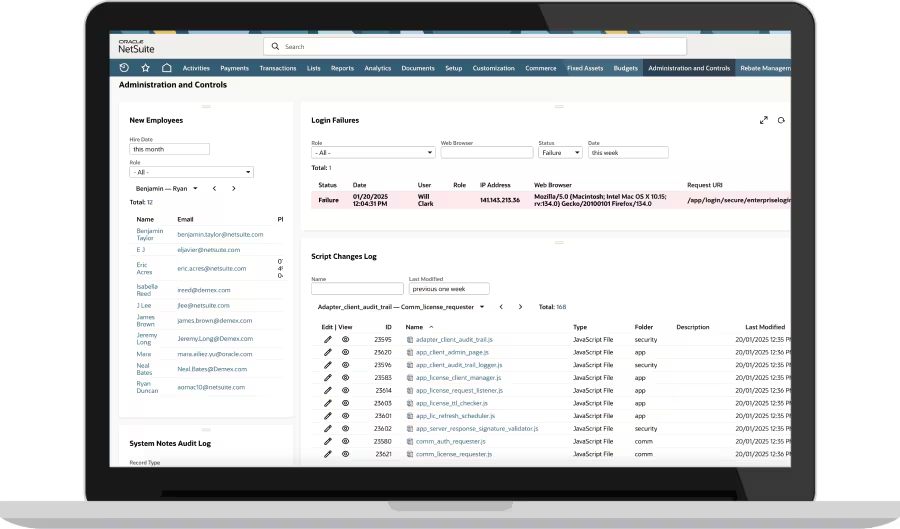
Delivers audit-ready tools, reports and built-in controls that help organizations meet growing regulatory and operational compliance demands
Let's turn your digital challenges into competitive advantages!
Contact Us
FAQs
- How does Oracle NetSuite Inventory Management improve visibility across multiple locations?
Oracle NetSuite centralizes all inventory data from warehouses and retail stores to 3PLs and drop shippers into a single, real-time dashboard. This gives teams a unified view of stock levels, item movements, and sales performance across every channel, so they can make faster and more informed decisions about what to restock, transfer, or promote.
- Can Oracle NetSuite help reduce manual inventory tasks and errors?
Yes. The system replaces disconnected spreadsheets with automated tracking for quantities, orders, and item life cycles. Audit trails capture every transaction, helping minimize human error while saving time spent on manual reconciliations.
- What tools does Oracle NetSuite offer for managing stock across multiple locations?
With multi-location fulfillment capabilities, users can set up rules to minimize split shipments and freight costs. The system also allows you to shift stock between locations, reserve items, or ship directly from alternate sites to fulfill orders faster and prevent lost sales.
- How does Oracle NetSuite ensure inventory accuracy during counting?
Oracle NetSuite’s Smart Count feature enables cycle counting without interrupting daily operations. It tracks item activity in real time during the count, alerts users to any quantity changes, and automatically adjusts system records, helping maintain accuracy and reducing downtime.
- How does Oracle NetSuite help businesses forecast demand and prevent stockouts?
The platform uses demand-based replenishment, leveraging historical and seasonal data, lead times, and target supply levels. This enables automatic reorder point calculations and real-time alerts for purchasing, ensuring optimal stock levels while minimizing excess inventory.